NistGKV Enterprise Infrastructure. Engineered for Scale.

NistGKV

Enterprise Infrastructure. Engineered for Scale.

Latest Articles

Before the First Line of Code: Why Infrastructure Modernization Dies in the Planning Room
Infrastructure Strategy

Before the First Line of Code: Why Infrastructure Modernization Dies in the Planning Room

Enterprise infrastructure modernization projects routinely collapse not from poor execution, but from fundamental miscalculations made long before implementation begins. Hidden dependencies, underestimated complexity, and misaligned assumptions about what 'modern' actually delivers combine to derail initiatives worth tens of millions of dollars. Understanding where these failures originate is the only reliable path to avoiding them.

The Forecasting Mirage: How Enterprise Capacity Planning Models Set Teams Up to Fail
Cloud & DevOps

The Forecasting Mirage: How Enterprise Capacity Planning Models Set Teams Up to Fail

Enterprise infrastructure teams routinely invest significant effort in capacity planning exercises that produce projections disconnected from operational reality. Flawed forecasting methodologies, static growth assumptions, and the organizational pressure to appear prepared combine to create a planning theater that consumes resources without delivering genuine scalability. The path forward requires abandoning the illusion of predictability in favor of infrastructure that responds to what actuall

Built to Break: The Hidden Liability of Homegrown Infrastructure Tooling
Cloud & DevOps

Built to Break: The Hidden Liability of Homegrown Infrastructure Tooling

Building internal infrastructure tools feels like a mark of engineering sophistication—until the original architects leave and the codebase becomes an undocumented liability no one wants to touch. This article examines the true, compounding cost of custom-built operational platforms and offers a rigorous framework for the build-versus-buy decision that organizations consistently underestimate.

Drowning in Data, Starving for Insight: The Enterprise Observability Paradox
Infrastructure Strategy

Drowning in Data, Starving for Insight: The Enterprise Observability Paradox

Enterprises today collect more telemetry than ever before, yet operational blind spots persist and critical failures still catch teams off guard. The problem is not a shortage of metrics—it is a fundamental disconnect between instrumentation volume and operational understanding. This article examines how organizations can move from reactive noise to purposeful, actionable observability.

Invisible Overhead: How Unmanaged Data Retention Is Quietly Draining Your Infrastructure Budget
Infrastructure Strategy

Invisible Overhead: How Unmanaged Data Retention Is Quietly Draining Your Infrastructure Budget

Enterprise organizations are paying a steep, largely unacknowledged price for data they no longer need, cannot locate, or have never properly classified. Poor retention governance compounds storage costs year over year, while simultaneously increasing compliance exposure. This article examines the financial mechanics of retention sprawl and offers a structured approach to reclaiming control.

Signing Away Your Options: The Enterprise Infrastructure Contracts That Leave You Exposed
Cloud & DevOps

Signing Away Your Options: The Enterprise Infrastructure Contracts That Leave You Exposed

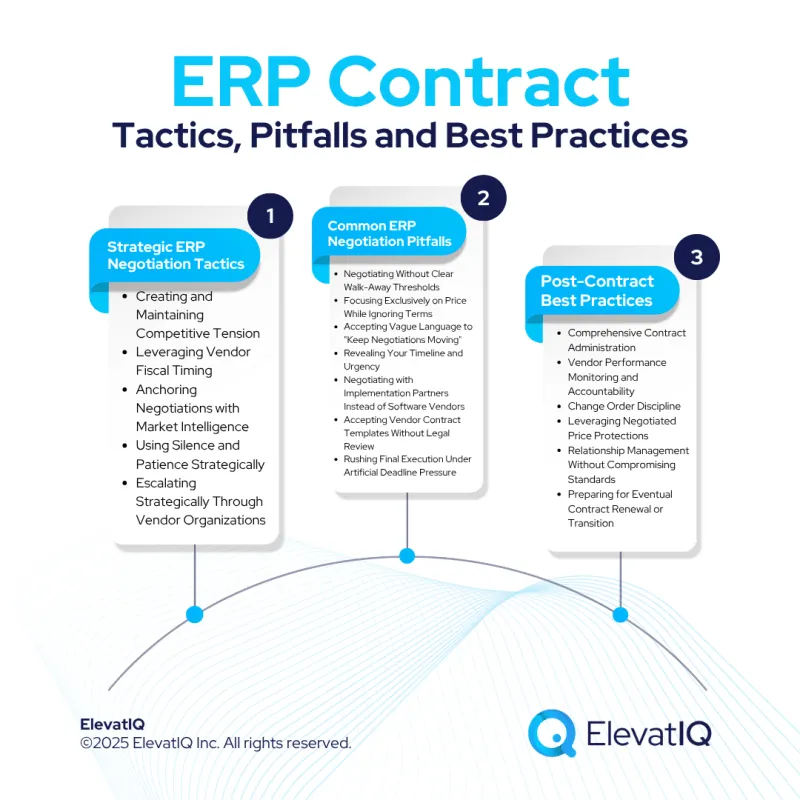
Too many enterprise infrastructure deals are finalized on vendor-favorable terms that constrain architectural flexibility and erode pricing leverage for years. The clauses that appear routine in initial drafts are often the ones that prove most costly in practice. This article examines the structural weaknesses in common infrastructure agreements and outlines a negotiation posture designed to protect long-term operational and financial interests.

Audit Trail Debt: The Silent Budget Drain Hiding Inside Your Compliance Infrastructure
Infrastructure Strategy

Audit Trail Debt: The Silent Budget Drain Hiding Inside Your Compliance Infrastructure

Enterprises routinely underestimate the cumulative cost of poorly architected compliance systems spread across distributed infrastructure. What begins as a patchwork of logging tools and monitoring agents quietly compounds into millions in operational overhead — until organizations are forced to reckon with the full weight of compliance sprawl.

The Illusion of Everywhere: Why Multi-Region Architecture Does Not Automatically Mean High Availability
Cloud & DevOps

The Illusion of Everywhere: Why Multi-Region Architecture Does Not Automatically Mean High Availability

Distributing workloads across multiple geographic regions has become a default assumption in enterprise cloud strategy — but geographic redundancy and genuine resilience are not the same thing. Many organizations are discovering, often during outages, that their multi-region deployments masked critical single points of failure that no amount of geographic distribution could protect against.

Fragmented by Design: The True Financial Toll of Unmanaged Hybrid Cloud Environments
Infrastructure Strategy

Fragmented by Design: The True Financial Toll of Unmanaged Hybrid Cloud Environments

Enterprises pursuing multi-region cloud strategies often discover too late that operational complexity compounds faster than capacity gains. Uncoordinated sprawl across providers and on-premises systems quietly erodes margins while creating compliance blind spots. This analysis examines how organizations can quantify the damage and build a rational framework for infrastructure rationalization.

Misrouted and Misconfigured: How Flawed Load Balancing Quietly Destroys Enterprise Application Performance
Cloud & DevOps

Misrouted and Misconfigured: How Flawed Load Balancing Quietly Destroys Enterprise Application Performance

Load balancers are foundational to enterprise-scale infrastructure, yet a handful of persistent misconfigurations routinely undermine the very availability and performance guarantees they are meant to provide. This technical guide walks through five of the most consequential errors engineering teams make — and the specific steps required to correct them before they escalate into production incidents.

Five Ways Enterprise Teams Sabotage Their Own Kubernetes Deployments
Cloud & DevOps

Five Ways Enterprise Teams Sabotage Their Own Kubernetes Deployments

Kubernetes has become the default container orchestration platform for US enterprises managing complex, distributed workloads — but adoption at scale exposes a predictable set of architectural and operational failures that derail even well-resourced deployments. From governance gaps to observability blind spots, these mistakes share a common root cause: treating Kubernetes as a product rather than a discipline. Here are the five patterns that consistently undermine enterprise container strategy.

When More Becomes Less: The Enterprise Case for Datacenter Consolidation
Infrastructure Strategy

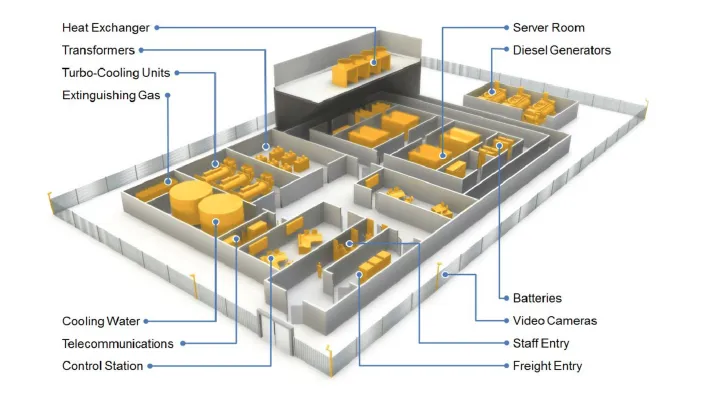
When More Becomes Less: The Enterprise Case for Datacenter Consolidation

Unchecked datacenter expansion across business units and geographic regions quietly erodes enterprise margins, compounds security risk, and fragments operational visibility. A disciplined consolidation strategy does not merely cut costs — it rebuilds infrastructure as a competitive asset. This analysis examines the frameworks, migration approaches, and measurable outcomes that define successful consolidation at scale.